Tranzyty (gochar): jak dzisiejsze ruchy planet wpływają na Ciebie
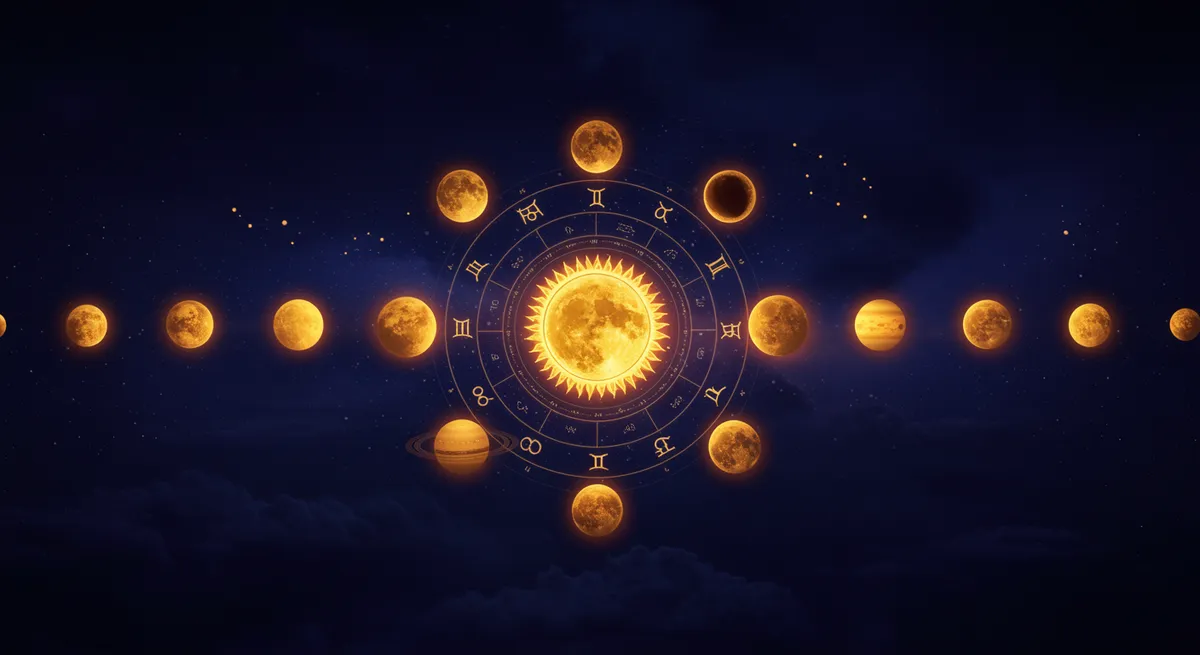
Twój wykres urodzeniowy to migawka — pojedyncza zamrożona klatka tego, gdzie siedziała każda planeta dokładnie w chwili Twoich narodzin. Nie zmienia się już do końca życia. Ale faktyczne planety na niebie się nie zatrzymują; krążą dalej i w tej chwili zajmują pozycje, które mogą być zupełnie inne niż Twoje urodzeniowe. Interakcję między dzisiejszym, ruchomym niebem a Twoim stałym wykresem nazywa się tranzytem — w astrologii wedyjskiej gochar. Tranzyty to serce tego, jak astrologia mówi o timingu: nie 'kim jesteś', ale 'co jest u Ciebie aktywowane właśnie teraz'. Oto jak działają i jak je czytać.
Stały wykres kontra ruchome niebo
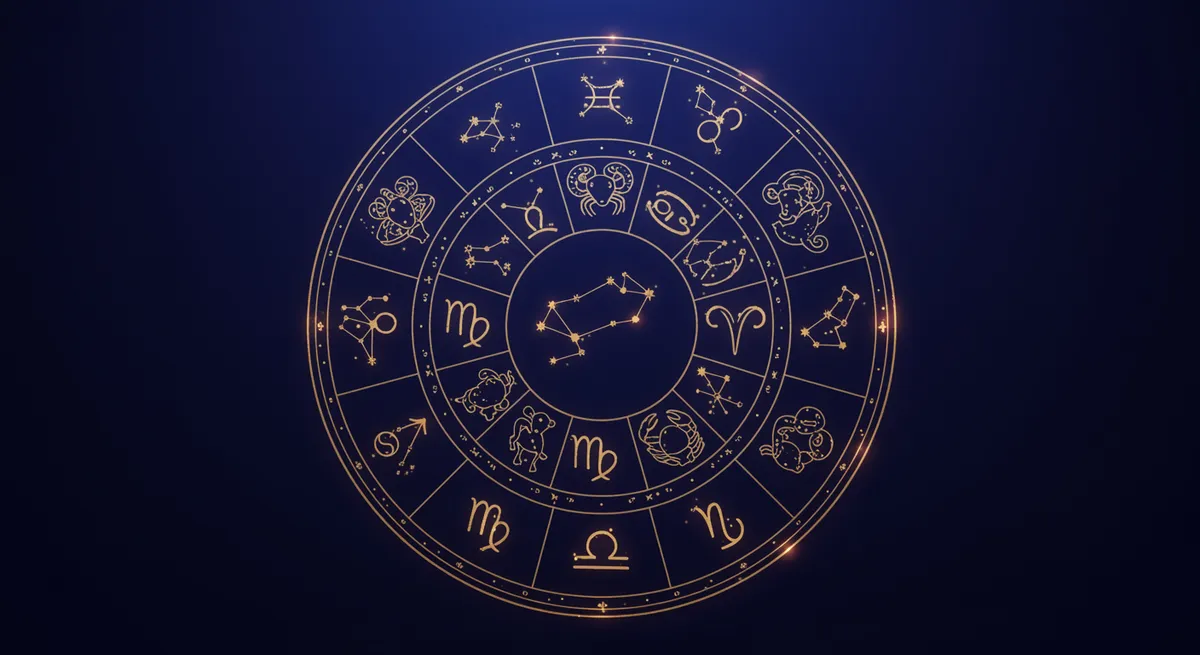
Pomyśl o swoim wykresie urodzeniowym jak o scenie z przybitymi do podłogi meblami — Twoje natalne Słońce stoi w jednym miejscu, natalny Księżyc w innym, i zostają tam na zawsze. Planety tranzytujące to aktorzy przechodzący przez tę stałą scenę. Gdy tranzytująca planeta wchodzi w tę samą pozycję zodiaku co któraś z Twoich planet natalnych albo do konkretnego domu Twojego wykresu, 'podświetla' tę część Twojego życia na tak długo, jak tam przebywa. Tranzyt to nie planeta w izolacji; to zawsze rozmowa między ruchomą planetą a Twoim osobistym, niezmiennym wykresem. Dlatego ten sam tranzyt może być dla jednej osoby ogromny, a dla innej ledwo zauważalny — zależy, czego dotyka konkretnie w Twoim wykresie.
Dlaczego Saturn i Jowisz liczą się najbardziej
Szybkie ciała — Księżyc, Merkury, Wenus, Słońce — tranzytują błyskawicznie, często w kilka dni, więc ich efekty są krótkie i subtelne, bardziej jak przelotna pogoda. Największą uwagę przyciągają dwa powolne olbrzymy, Jowisz i Saturn, bo one się zasiedzają. Jowisz spędza w każdym znaku około roku i jest planetą ekspansji, wzrostu, okazji i optymizmu — tranzyt Jowisza przez ważny punkt wykresu często zbiega się z okresem poszerzania horyzontów, nauki lub szczęścia w tym obszarze życia. Saturn spędza w każdym znaku około dwóch i pół roku i jest planetą dyscypliny, odpowiedzialności, struktury i ciężko wypracowanych lekcji — tranzyt Saturna zwykle spowalnia dany obszar, testuje go i wymaga dojrzałości, zanim się opłaci. Ponieważ ta dwójka zostaje tak długo, ich tranzyty wyznaczają rozdziały Twojego życia, podczas gdy szybkie planety tylko kolorują dni.
Jak tranzyt spotyka Twój wykres natalny
Tranzyt nabiera znaczenia na dwa główne sposoby. Po pierwsze przez dom: planeta, wędrując przez znak, przechodzi przez jeden z Twoich dwunastu domów (obszarów życia), więc tranzytujący Saturn w Twoim domu kariery kładzie długi, poważny nacisk na pracę, a tranzytujący Jowisz w domu związków może ten obszar otworzyć. Po drugie przez aspekt lub koniunkcję z planetami natalnymi: gdy tranzytująca planeta staje na którejś z Twoich planet urodzeniowych albo tworzy z nią istotny kąt, obie wchodzą w bezpośrednią interakcję. Tranzytujący Jowisz spotykający Twój natalny Księżyc może odczuwać się emocjonalnie ciepło i z nadzieją; tranzytujący Saturn na natalnym Księżycu może odczuwać się ciężko i introspekcyjnie. Planeta natalna mówi, jaka część Ciebie jest zaangażowana; tranzytująca mówi, co się z nią dzieje. Czytanie tranzytu to tak naprawdę czytanie tej pary.
Rozpracowany przykład
Powiedzmy, że Twój natalny Księżyc — Twój emocjonalny rdzeń — siedzi na początku Barana w czwartym domu, domu ogniska domowego i wewnętrznego bezpieczeństwa. W tym roku tranzytujący Saturn wchodzi do Barana i powoli zbliża się do tego natalnego Księżyca. Przez miesiące wokół tego kontaktu możesz zauważać powracający motyw: życie domowe robi się poważniejsze, emocje cięższe i bardziej trzeźwe, coś domowego lub rodzinnego zmusza Cię do wzięcia odpowiedzialności, a o szybkie emocjonalne pocieszenie jest trudniej. To Saturn (dyscyplina, odpowiedzialność, spowolnienie) spotykający Twój Księżyc (emocje) w czwartym domu (dom). To nie kara — to okres, który prosi Cię o zbudowanie czegoś solidniejszego w życiu emocjonalnym i domowym, a ludzie, którzy odrobią tę cierpliwą pracę, zwykle wychodzą z niego stabilniejsi. A teraz wyobraź sobie, że ten kontakt robił tranzytujący Jowisz: ten sam czwarty dom się rozświetla, ale ciepło — przeprowadzka do ładniejszego mieszkania, szczęśliwszy rodzinny rozdział, emocjonalny wzrost i optymizm. Ten sam punkt natalny, dwóch bardzo różnych tranzytujących gości, dwie bardzo różne pory życia.
Czytanie tranzytów bez strachu
Najczęstszy błąd to traktowanie 'trudnego' tranzytu jak wyroku zagłady, a 'dobrego' jak gwarancji szczęścia. Ani jedno, ani drugie nie jest prawdą. Tranzyt opisuje klimat, nie ustalone wydarzenie — przechyla szanse i nadaje nastrój okresowi, ale Twoje wybory, wysiłek i reszta wykresu współkształtują to, jak faktycznie się rozegra. Trudny tranzyt Saturna przejęty z cierpliwością często staje się fundamentem, z którego człowiek jest później najbardziej dumny. Piękny tranzyt Jowisza roztrwoniony na nadmierną pewność siebie może przeminąć, nie zostawiając wiele. Użyteczne pytanie przy każdym tranzycie jest praktyczne: 'na czym ten okres prosi mnie, żebym się skupił, i jak z nim współpracować?' — a nie 'czy to dobre, czy złe?'. Tranzyty najlepiej służą do mądrego rozłożenia wysiłku w czasie — naciskaj, gdy klimat sprzyja, i konsoliduj, gdy prosi Cię o zwolnienie.
Jak to zastosować w praktyce
Żeby śledzić własne tranzyty, potrzebujesz dwóch rzeczy: dokładnego wykresu urodzeniowego (zależnego od daty, godziny i miejsca urodzenia) oraz bieżących pozycji planet. Zacznij od wolnych planet — sprawdź, gdzie teraz są Saturn i Jowisz, przez które Twoje domy przechodzą i czy są blisko którejś z Twoich planet natalnych. Samo to powie Ci główne tematy Twojego obecnego rozdziału. Na szybkie planety warto zerknąć dla nastroju dnia, ale nie trzeba ich śledzić obsesyjnie. W LuckMap Twoje bieżące tranzyty są liczone względem Twojego prawdziwego wykresu urodzeniowego, wydarzenia wolnych planet — jak gochar Saturna — są oznaczane w Twoich alertach, a AI możesz zadać rzeczowe, niefatalistyczne pytanie w stylu 'czego w moim wykresie dotyka obecny tranzyt Saturna i na czym powinienem się skupić?'.
Najczęściej zadawane pytania
Jaka jest różnica między tranzytem a moim wykresem urodzeniowym? Wykres urodzeniowy jest trwały — to niebo zamrożone w chwili Twoich narodzin i nigdy się nie zmienia. Tranzyt to miejsce, w którym planeta znajduje się na niebie teraz, i sposób, w jaki ta bieżąca pozycja oddziałuje z Twoim stałym wykresem. Wykres urodzeniowy to kim jesteś; tranzyty to co jest aktywowane w danym czasie.
Dlaczego wszyscy mówią o tranzytach Saturna i Jowisza? Bo są powolne. Jowisz potrzebuje około roku na znak, a Saturn około dwóch i pół roku, więc gdy dotykają ważnego punktu Twojego wykresu, efekt trwa na tyle długo, że czuje się go jak prawdziwy rozdział życia. Szybkie planety ruszają dalej w kilka dni, więc ich tranzyty są przy tym drobne.
Czy niektóre tranzyty są 'złe'? Trafniej nazwać je wymagającymi niż złymi. Wymagający tranzyt (często saturnowy) ustawia poważny, powolny, pracowity klimat — niewygodny, ale często to właśnie w takich okresach ludzie rosną najbardziej. Tranzyt opisuje pogodę sezonu, nie ustalony los, a to, jak odpowiesz, znaczy bardzo wiele.
Czy do czytania tranzytów potrzebuję dokładnej godziny urodzenia? Dla tranzytów przez domy — tak: domy zależą od ascendentu, a ten od godziny urodzenia. Dla tranzytów po znakach względem planet natalnych często wystarczy sama data, by uchwycić szerokie tematy. Im dokładniejsza godzina urodzenia, tym precyzyjniejszy odczyt tranzytów.