Twój znak wschodzący (ascendent): pierwsze wrażenie, jakie robisz
Jeśli kiedykolwiek czułeś, że Twój horoskop jakby pasuje, ale coś pomija w tym, jak faktycznie poruszasz się po świecie, brakującym elementem może być Twój znak wschodzący. W astrologii zachodniej znak wschodzący — zwany też ascendentem — to znak zodiaku, który wspinał się nad wschodni horyzont dokładnie w chwili Twoich narodzin. To coś innego niż znak słoneczny i często właśnie tę część Twojego wykresu obcy ludzie wyłapują jako pierwszą. Pomyśl o nim jak o drzwiach, przez które ludzie wchodzą, zanim w ogóle zobaczą pokoje w środku.
Czym właściwie jest ascendent
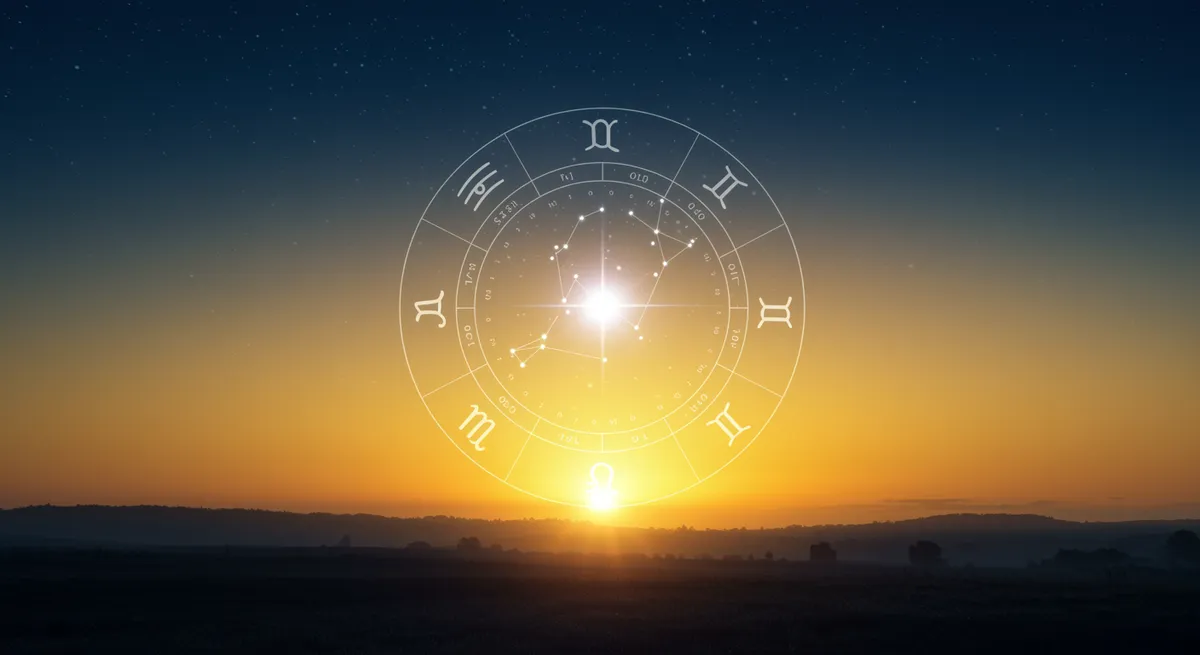
Wyobraź sobie niebo w chwili Twoich narodzin jako olbrzymie koło obracające się powoli wokół Ciebie. Horyzont na wschodzie to linia, nad którą niebo zdaje się wznosić. Ascendent to po prostu ten znak zodiaku, który siedział na tej wschodniej linii w momencie Twoich narodzin, w Twoim konkretnym mieście. Ponieważ jest związany z horyzontem — cechą tego, gdzie jesteś i która jest godzina, a nie samej daty — znak wschodzący jest najbardziej wrażliwą na miejsce i czas częścią całego wykresu. Słońce, Księżyc i planety są gdzieś na niebie w dniu Twoich urodzin, ale ascendent przygważdża dokładny kąt, z którego patrzyłeś na świat. Dlatego samo słowo 'ascendent' dosłownie oznacza punkt wznoszący się: to skrawek zodiaku właśnie przekraczający wschodnią krawędź świata, gdy brałeś pierwszy oddech.
Dlaczego zmienia się co parę godzin
Oto kluczowy fakt, przez który godzina urodzenia znaczy tak wiele: Ziemia obraca się o pełne 360 stopni w dwadzieścia cztery godziny, co oznacza, że całe koło zodiaku przetacza się przez wschodni horyzont raz na dobę. Dwanaście znaków w mniej więcej dwadzieścia cztery godziny daje nowy znak wschodzący co około dwie godziny. Dwoje dzieci urodzonych w tym samym szpitalu tego samego dnia — jedno o 6 rano, drugie w południe — może więc mieć zupełnie różne ascendenty, choć ich znak słoneczny jest identyczny. Dlatego astrolodzy proszą o godzinę urodzenia co do minuty. Strzał w stylu 'gdzieś rano' może z łatwością wylądować na złym ascendencie, a ascendent jest kotwicą, wokół której buduje się resztę wykresu.
Czym znak wschodzący różni się od słonecznego
Znak słoneczny opisuje Twoją rdzenną tożsamość — wewnętrzne motywacje, ego, ja, w które wrastasz przez całe życie. Znak wschodzący opisuje Twój interfejs ze światem: instynktowny styl, mowę ciała, pierwsze reakcje, klimat, który ludzie wyczuwają, zanim Cię poznają. Przydatny sposób, by to uchwycić: Słońce to kim jesteś, gdy jesteś sam i czujesz się swobodnie, a ascendent to wersja Ciebie, która pojawia się, gdy dzwoni dzwonek do drzwi. Wielu ludzi w codziennym życiu towarzyskim bardziej utożsamia się ze swoim znakiem wschodzącym, a prywatnie ze słonecznym. Żaden nie jest tym 'prawdziwym' Tobą — to dwie prawdziwe warstwy. Jest też częsty powód, dla którego horoskopy trafiają raz lepiej, raz gorzej: większość popularnych horoskopów pisze się dla znaków słonecznych, więc jeśli w Twojej codzienności dużo mówi Twój ascendent, ogólna prognoza może brzmieć, jakby opisywała kogoś obok Ciebie. Czytanie także dla znaku wschodzącego często zamyka tę lukę i tłumaczy, czemu jakiś opis w końcu klika.
Jak ascendent kształtuje wygląd i podejście
Ascendent ma długą tradycję łączenia go z fizyczną obecnością i pierwszym wrażeniem — postawą, energią, którą emanujesz, wchodząc do pokoju, sposobem, w jaki zwykle zaczynasz sprawy. Wschodzący Baran często sprawia wrażenie bezpośredniego i szybkiego w działaniu. Wschodząca Waga zwykle odbierana jest jako pełna wdzięku, wyważona i chcąca być lubiana. Wschodzący Skorpion może wydawać się intensywny lub trudny do odczytania nawet na pierwszym spotkaniu, a wschodzący Strzelec często wygląda na otwartego, swobodnego i gotowego do śmiechu. Nic z tego nie jest przeznaczeniem ani regulaminem, jak 'powinieneś' wyglądać; to opis smaku, który ludzie często zauważają. Znak wschodzący ustawia też układ domów w Twoim wykresie, co jest tym bardziej technicznym powodem, dla którego astrolodzy traktują go jako punkt wyjścia.
Rozpracowany przykład
Weźmy Mayę, urodzoną 3 maja w Mumbaju. Jej znak słoneczny to Byk, więc typowy horoskop opisuje ją jako stabilną, zmysłową i lojalną — i prywatnie to pasuje. Ale Maya urodziła się o 7:10 rano, a o tej godzinie w Mumbaju nad wschodnim horyzontem wschodziły Bliźnięta. To daje jej ascendent w Bliźniętach. Nagle część, która ją zastanawiała, nabiera sensu: ludzie opisują ją jako gadatliwą, ciekawską i błyskotliwą, zawsze żonglującą trzema rozmowami — co w niczym nie przypomina stereotypu spokojnego Byka. Słońce w Byku to jej rdzeń (ceni bezpieczeństwo i komfort), a wschodzące Bliźnięta to jej prezentacja (żywa, słowna, niespokojna). A teraz wyobraź sobie, że jej dokumenty się myliły i naprawdę urodziła się o 9:30; wtedy wschodziłby już Rak i cały jej odczyt pierwszych wrażeń oraz układu domów by się przesunął. Ta sama data, to samo miasto — różnica dwóch godzin całkowicie zmienia ascendent. Dlatego wygrzebanie przez Mayę dokładnej godziny z aktu urodzenia znaczyło więcej niż niemal cokolwiek innego w jej wykresie.
Najczęściej zadawane pytania
Czy naprawdę potrzebuję dokładnej godziny urodzenia? Dla znaku wschodzącego tak — to pozycja, która zależy od niej najbardziej. Ponieważ ascendent zmienia się mniej więcej co dwie godziny, pomyłka nawet o godzinę czy dwie może wskazać zły znak. Najlepsze źródła to akt urodzenia, dokumenty szpitalne albo wyraźna pamięć rodzica. Jeśli naprawdę nie da się jej ustalić, wciąż możesz badać swój znak słoneczny i (przybliżony) księżycowy, ale każdy odczyt oparty na ascendencie traktuj jako wstępny.
Co znaczy więcej: znak słoneczny czy wschodzący? Żaden nie przebija drugiego; odpowiadają na różne pytania. Znak słoneczny mówi o wewnętrznej tożsamości i długofalowym wzroście, a wschodzący o stylu na zewnątrz i pierwszych wrażeniach. Wielu ludzi czuje się najlepiej 'zobaczonych', gdy czyta oba razem, bo ta kombinacja tłumaczy rozdźwięk między tym, jak czują się w środku, a tym, jak opisują ich inni.
Czy mój znak wschodzący może być taki sam jak słoneczny? Tak, i to dość częste u osób urodzonych około wschodu słońca. Gdy Słońce jest przy narodzinach blisko wschodniego horyzontu, znak, w którym stoi, może być zarazem znakiem wschodzącym, więc Słońce i ascendent się pokrywają. Ludzie z tym nałożeniem często czują, że ich wewnętrzne ja i zewnętrzna prezentacja są niezwykle spójne — to, co widzisz, naprawdę jest tym, co dostajesz.
Czy znak wschodzący to idea zachodnia, czy wedyjska? Oba systemy używają znaku wschodzącego i traktują go jako fundament — w astrologii wedyjskiej nazywa się on Lagna. Mechanika jest ta sama (znak na wschodnim horyzoncie w chwili narodzin), choć obie tradycje mierzą zodiak nieco inaczej, więc Twój zachodni i wedyjski ascendent mogą wypaść w różnych znakach. Jeśli chcesz zobaczyć swój ascendent policzony precyzyjnie z godziny urodzenia i miasta, zachodni wykres w LuckMap rozrysowuje go i tłumaczy, co znaczy dla Ciebie.