22 karty Wielkich Arkanów, wyjaśnione
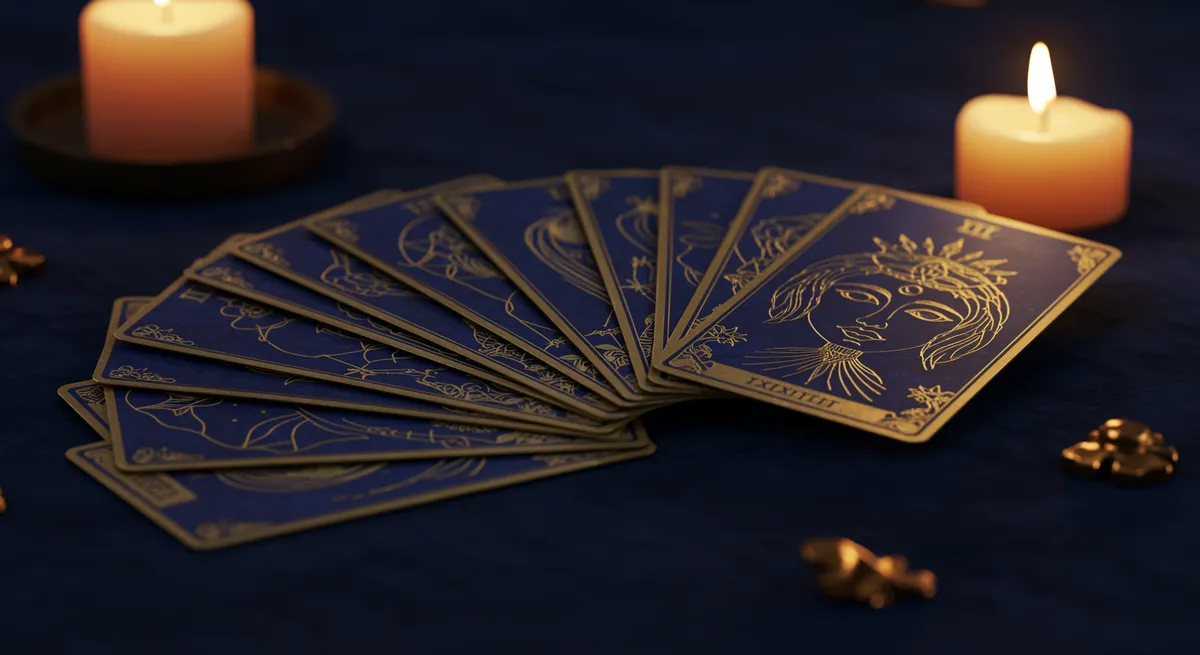
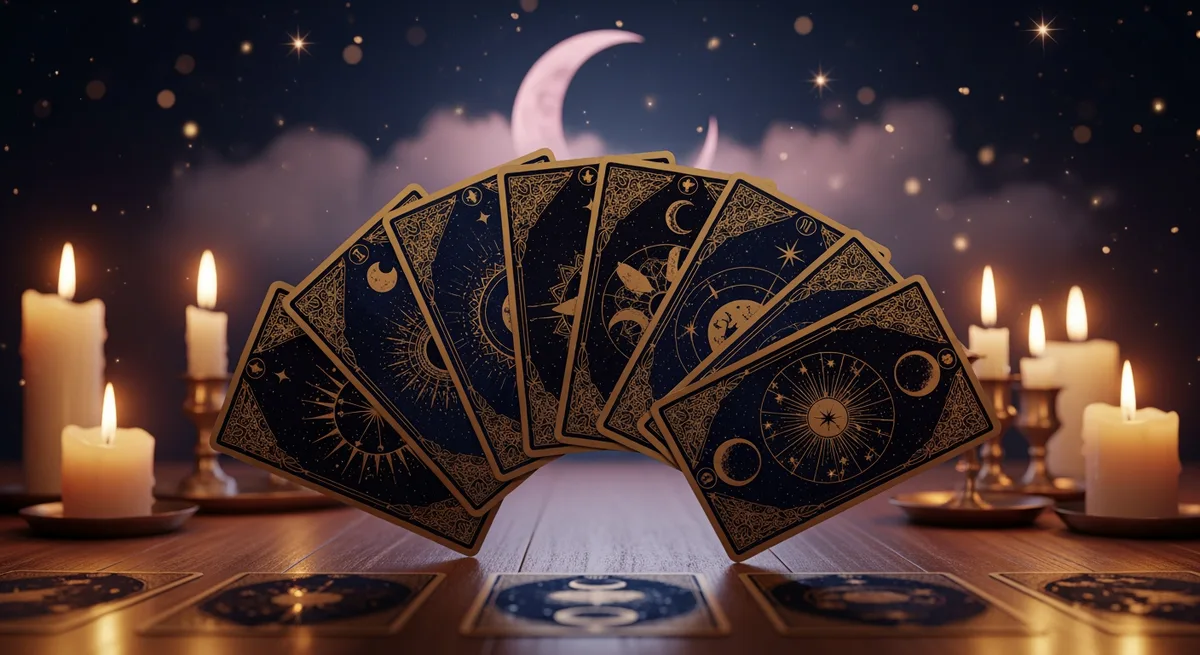
Talia tarota ma 78 kart, ale 22 z nich dźwigają większość ciężaru. To Wielkie Arkana — te ikoniczne, które każdy w połowie rozpoznaje: Kochankowie, Śmierć, Wieża, Gwiazda, Świat. Podczas gdy Małe Arkana obsługują codzienną fakturę życia, Wielkie Arkana wskazują na wielkie tematy, punkty zwrotne i głębokie prądy płynące pod powierzchnią sytuacji. Gdy kilka z nich pojawia się w odczycie, zwykle znaczy to, że w grze jest coś istotnego. Sprytne jest to, że te 22 karty nie są przypadkową galerią — ułożone po kolei od 0 do 21 opowiadają jedną spójną historię. Nie musisz wierzyć, że karty cokolwiek przepowiadają, by uznać je za użyteczne; nawet czytane czysto jako zestaw ludzkich archetypów dają Ci bogaty słownik do myślenia o tym, gdzie jesteś w życiu. Ten przewodnik przechodzi tę historię, daje krótkie znaczenie każdej karty, omawia pozycję prostą i odwróconą, a kończy przykładowym odczytem trzech kart.
Czym właściwie są Wielkie Arkana
Wielkie Arkana są ponumerowane od 0 do 21 i tam, gdzie Małe Arkana opisują okoliczności — zmartwienie o pieniądze, kłótnię, nowy projekt — Wielkie Arkana opisują większe siły i życiowe lekcje stojące za nimi. Jeśli karta Małych Arkanów to pogoda, karta Wielkich Arkanów to pora roku. W odczycie rozkład ciężki od Wielkich Arkanów sugeruje, że sprawa mniej dotyczy codziennych wyborów, a bardziej znaczącego rozdziału albo tematu, który wydaje się przeznaczony. Nic z tego nie oznacza ustalonej przyszłości; oznacza, że pytanie dotknęło czegoś na tyle ważnego, że warto naprawdę się nad tym zastanowić.
Podróż Głupca jako fabuła
Najbardziej użyteczny sposób nauczenia się 22 kart to potraktowanie ich jako jednej narracji zwanej podróżą Głupca. Głupiec, oznaczony numerem 0, to Ty — początkujący o szeroko otwartych oczach, wkraczający w nowy rozdział, pełen potencjału i trochę naiwny. Karty, które następują, to ludzie, lekcje i próby, które spotykasz po drodze do dojrzałości i pełni. Na początku spotykasz swoich przewodników i wewnętrzne siły; w środku mierzysz się z próbami, stratami i zwrotami; pod koniec przechodzisz przez ciemność i wyłaniasz się odnowiony. Przy ostatniej karcie masz już wszystko zintegrowane i docierasz gdzieś w pełni — tylko po to, by być gotowym zacząć od nowa. Czytanie talii w ten sposób zamienia 22 osobne znaczenia w jeden łuk, który łatwo zapamiętać.
Krótkie znaczenie każdej z 22 kart
Oto podróż po kolei, z jednolinijkowym sensem każdej karty. 0 Głupiec — początki, skok wiary, niewinność. 1 Mag — siła woli, umiejętność, urzeczywistnianie tego, co masz. 2 Najwyższa Kapłanka — intuicja, tajemnica, wewnętrzna wiedza. 3 Cesarzowa — opiekuńczość, obfitość, twórczość. 4 Cesarz — struktura, autorytet, stabilność. 5 Hierofant — tradycja, nauczanie, przynależność. 6 Kochankowie — wybór, zjednoczenie, zgranie wartości. 7 Rydwan — siła woli, napęd, zwycięstwo przez kontrolę. 8 Siła — odwaga, łagodność, wewnętrzne mistrzostwo. 9 Pustelnik — samotność, refleksja, poszukiwanie prawdy. 10 Koło Fortuny — cykle, zmiana, odwracające się szczęście. 11 Sprawiedliwość — uczciwość, konsekwencja, odpowiedzialność. 12 Wisielec — pauza, poddanie się, nowa perspektywa. 13 Śmierć — zakończenia, transformacja, uwolnienie (rzadko dosłowne). 14 Umiarkowanie — równowaga, cierpliwość, łączenie. 15 Diabeł — przywiązanie, pokusa, to, co Cię wiąże. 16 Wieża — nagły wstrząs, szok, który oczyszcza grunt. 17 Gwiazda — nadzieja, uzdrowienie, odnowa. 18 Księżyc — iluzja, niepewność, podświadomość. 19 Słońce — radość, jasność, sukces. 20 Sąd — rozrachunek, przebudzenie, wezwanie. 21 Świat — dopełnienie, pełnia, dotarcie do celu.
Podstawy pozycji prostej i odwróconej
Wielu czytających odczytuje też karty odwrócone — wyciągnięte do góry nogami. Odwrócenie nie jest po prostu przeciwieństwem znaczenia prostego; częściej łagodzi, blokuje, opóźnia albo kieruje energię do wewnątrz. Słońce w pozycji prostej to otwarta, łatwa radość; odwrócone może być szczęściem opóźnionym albo takim, na które sobie nie pozwalasz. Wieża prosta to nagły zewnętrzny wstrząs; odwrócona może być katastrofą ledwo unikniętą albo zmianą, przed którą się bronisz. Czy w ogóle używasz odwróceń, to osobisty wybór — mnóstwo wprawnych czytających trzyma każdą kartę prosto i czyta niuanse z kart sąsiednich. Jeśli zaczynasz, spokojnie możesz ignorować odwrócenia, dopóki znaczenia proste nie staną się swojskie.
Rozpracowany przykład: odczyt trzech kart
Wyobraź sobie, że ktoś pyta: 'Czy powinienem rzucić stabilną pracę i zacząć coś swojego?' i wyciąga rozkład przeszłość–teraźniejszość–przyszłość. Pozycja pierwsza (przeszłość): Hierofant — spędził lata wewnątrz ustalonej struktury, robiąc rzeczy w konwencjonalny sposób, i to go ukształtowało. Pozycja druga (teraźniejszość): Głupiec — właśnie teraz stoi na progu zupełnie nowego rozdziału, pełen potencjału, ale też niesprawdzony i trochę naiwny co do ryzyka. Pozycja trzecia (przyszłość): Rydwan — napęd, skupienie i zwycięstwo przez samokontrolę. Czytane jako jedna historia, a nie trzy wróżby, karty mówią coś spójnego: ta osoba przechodzi z życia w pożyczonej strukturze (Hierofant) do ekscytującego, ale surowego początku (Głupiec), a droga przed nią nagradza dyscyplinę i wytrwałą wolę (Rydwan). Odczyt nie rozkazuje 'odejdź' ani 'zostań' — odzwierciedla, że skok jest realny i że sukces zależy tu od okiełznania własnego napędu, a nie od dryfowania. Decyzja zostaje przy pytającym; karty jedynie rozjaśniają siły w grze.
Najczęściej zadawane pytania
Czy wyciągnięcie karty Śmierci znaczy, że ktoś umrze? Prawie nigdy. Śmierć to jedna z najbardziej niezrozumianych kart w talii. W przeważającej mierze wskazuje na zakończenia i transformację — rozdział, który się zamyka, by mógł otworzyć się nowy, nawyk, relację albo tożsamość, z których wyrastasz. Czytający traktują ją jako jedną z bardziej pełnych nadziei kart właśnie dlatego, że prawdziwa odnowa zwykle wymaga najpierw puszczenia czegoś.
Czy muszę zapamiętać wszystkie 22 znaczenia, żeby czytać? Nie jako sztywne definicje. Znacznie bardziej przydaje się nauczenie podróży Głupca jako historii, bo łuk daje każdej karcie miejsce i relację z sąsiadami. Gdy z grubsza wiesz, gdzie karta siedzi w podróży, jej znaczenie zwykle samo wraca, a Ty możesz naginać je do faktycznego pytania.
Czy Wielkie Arkana są ważniejsze od Małych Arkanów? Nie są ważniejsze, ale działają w większej skali. Wielkie Arkana mówią o nadrzędnych tematach i punktach zwrotnych; Małe Arkana o codziennym detalu i okolicznościach. Zrównoważony odczyt używa obu — Wielkie mówią Ci, w jakiej jesteś porze roku, Małe — jak wygląda tydzień.
Czy Wielkie Arkana przepowiadają ustaloną przyszłość? Nie. Najzdrowszy sposób czytania tarota to traktowanie go jako lustra do refleksji, nie werdyktu. Wielkie Arkana podświetlają głębokie siły i lekcje wokół pytania, byś mógł myśleć jaśniej i wybierać bardziej świadomie — przyszłość pozostaje Twoja do ukształtowania. W sekcji Tarot w LuckMap możesz wyciągnąć rozkład, stuknąć w dowolną kartę, by przeczytać jej pełne znaczenie, i dostać interpretację, która czyta karty razem jako jedną spójną historię.