12 znaków zodiaku zachodniego: kompletny przewodnik
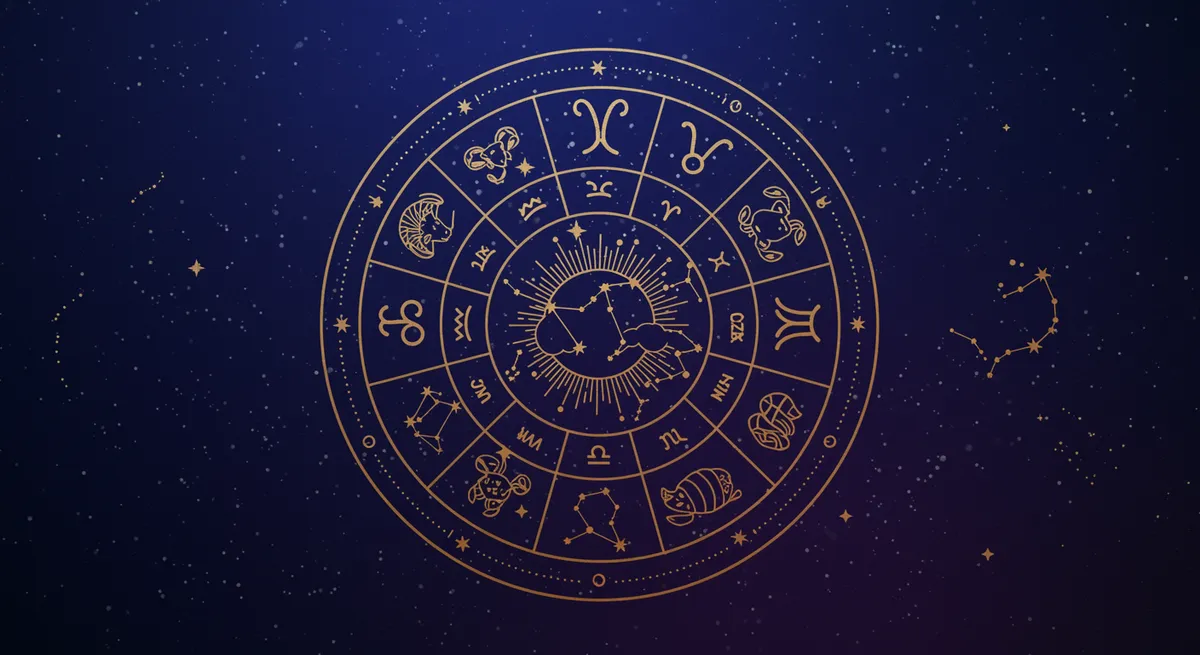
Prawie każdy zna swój zachodni znak słoneczny, ale mało kto wie, co właściwie za nim stoi. Każdy z dwunastu znaków jest zbudowany z trzech prostych składników: żywiołu (jego podstawowego temperamentu), jakości (sposobu, w jaki zwykle działa) i planety rządzącej (energii, na którą odpowiada). Gdy zrozumiesz te klocki, znaki przestają być listą banałów i zaczynają mieć sens jako system. Ten przewodnik przechodzi przez wszystkie dwanaście, tłumaczy stojącą za nimi konstrukcję i kończy się najważniejszą umiejętnością ze wszystkich — jak czytać opis znaku, nie zamykając siebie w pudełku.
Trzy podstawowe klocki
Każdy znak ma żywioł, jakość i planetę rządzącą. Cztery żywioły opisują podstawowy temperament: znaki Ognia (Baran, Lew, Strzelec) są energiczne i ekspresyjne; znaki Ziemi (Byk, Panna, Koziorożec) praktyczne i ugruntowane; znaki Powietrza (Bliźnięta, Waga, Wodnik) umysłowe i towarzyskie; znaki Wody (Rak, Skorpion, Ryby) emocjonalne i intuicyjne. Trzy jakości opisują sposób działania znaku: znaki kardynalne (Baran, Rak, Waga, Koziorożec) zaczynają i przewodzą; stałe (Byk, Lew, Skorpion, Wodnik) podtrzymują i stabilizują; zmienne (Bliźnięta, Panna, Strzelec, Ryby) adaptują się i zmieniają. Planeta rządząca dodaje smaku — Mars czyni znak asertywnym, Wenus szukającym harmonii i tak dalej. Każdy znak to unikalna kombinacja tych trzech elementów.
Znaki Ognia i Ziemi
Baran (Ogień, kardynalny, rządzony przez Marsa) to inicjator — śmiały, bezpośredni, nastawiony na rywalizację, szybki w starcie. Lew (Ogień, stały, rządzony przez Słońce) jest ciepły, dumny, hojny i stworzony do środka sceny. Strzelec (Ogień, zmienny, rządzony przez Jowisza) to odkrywca — optymistyczny, kochający wolność, filozoficzny, dosadny. Po stronie Ziemi: Byk (Ziemia, stały, rządzony przez Wenus) jest stabilny, zmysłowy, cierpliwy i oporny na popędzanie. Panna (Ziemia, zmienna, rządzona przez Merkurego) jest precyzyjna, pomocna, analityczna i po cichu perfekcjonistyczna. Koziorożec (Ziemia, kardynalny, rządzony przez Saturna) jest ambitny, zdyscyplinowany, odpowiedzialny i nastawiony na długą wspinaczkę.
Znaki Powietrza i Wody
Znaki Powietrza żyją w umyśle. Bliźnięta (Powietrze, zmienne, rządzone przez Merkurego) są ciekawskie, szybkie, rozmowne i zainteresowane wszystkim bez końca. Waga (Powietrze, kardynalna, rządzona przez Wenus) jest sprawiedliwa, czarująca, skupiona na relacjach i uczulona na konflikt. Wodnik (Powietrze, stały, rządzony przez Saturna, a w astrologii współczesnej przez Urana) jest niezależny, pomysłowy, humanitarny i dumnie niekonwencjonalny. Znaki Wody żyją w uczuciach. Rak (Woda, kardynalny, rządzony przez Księżyc) jest opiekuńczy, ochronny, emocjonalny i głęboko związany z domem. Skorpion (Woda, stały, rządzony przez Marsa, a współcześnie przez Plutona) jest intensywny, skryty, lojalny i transformujący. Ryby (Woda, zmienne, rządzone przez Jowisza, a współcześnie przez Neptuna) są marzycielskie, współczujące, obdarzone wyobraźnią i przepuszczalne dla nastrojów wokół.
Jak żywioł łączy się z jakością
Prawdziwy wgląd bierze się z czytania obu razem, bo kombinacja mówi więcej niż każdy składnik osobno. Weź trzy znaki Ognia: dzielą ciepło i napęd, ale kardynalny Baran rozpala ogień, stały Lew podtrzymuje płomień, a zmienny Strzelec pozwala mu wędrować. Albo spójrz na znaki kardynalne, które zaczynają: Baran zaczyna przez działanie (Ogień), Rak przez emocjonalną troskę (Woda), Waga przez relację (Powietrze), a Koziorożec przez praktyczną ambicję (Ziemia). Czytając znak, nie zapamiętuj więc tylko etykiety — zapytaj, co jego żywioł i jakość robią razem. To różnica między 'Skorpion jest intensywny' a faktycznym zrozumieniem dlaczego: stały (nie odpuszcza) plus Woda (czuje głęboko) plus Mars (ma napęd) równa się znak, który angażuje się na całego i czuje wszystko.
Przykład: czytanie znaku w prawdziwym życiu
Załóżmy, że Twoja przyjaciółka jest Koziorożcem i chcesz ją zrozumieć poza stereotypem 'zimnej pracoholiczki'. Rozłóż to na części. Ziemia znaczy, że jest praktyczna i ufa temu, co namacalne. Kardynalność znaczy, że jest inicjatorką i liderką, nie naśladowczynią. Saturn, jej władca, wnosi dyscyplinę, cierpliwość i szacunek dla struktury oraz czasu. Złóż to razem, a dostajesz kogoś, kto stawia sobie poważne, długoterminowe cele i miarowo ku nim zmierza — nie dlatego, że jest pozbawiona radości, ale dlatego, że budowanie czegoś realnego daje jej poczucie bezpieczeństwa. Ten sam schemat od razu podpowiada, jak być dla niej dobrym przyjacielem: szanuj jej czas, traktuj jej ambicje poważnie i nie myl jej rezerwy z chłodem. Zauważ, o ile to bogatsze niż 'Koziorożce są ambitne'. Doszedłeś do prawdziwej osoby, czytając składniki, nie etykietę.
Jak czytać znak, nie zamykając siebie w pudełku
A teraz najważniejsza część. Twój znak słoneczny to jeden element wykresu, który zawiera też znak księżycowy, ascendent i każdą inną planetę w jej własnym znaku i domu — więc żaden pojedynczy opis znaku nie uchwyci całego człowieka. Jeśli jakaś cecha Twojego znaku do Ciebie nie pasuje, to normalne: inna część Twojego wykresu pewnie ciągnie w inną stronę. Czytaj opisy znaków jako tendencje i punkty wyjścia, nie reguły czy wyroki. Zdrowy sposób ich używania to lustro do refleksji — 'czy to brzmi prawdziwie, a gdzie nie?' — a nie klatka decydująca, kim wolno Ci być. Astrologia w najlepszym wydaniu poszerza samorozumienie; nigdy nie kurczy Cię do dwunastu typów. Jeśli kiedyś poczujesz, że opis Cię zamyka, to sygnał, żeby czytać więcej swojego wykresu, a nie zmuszać się do dopasowania.
Najczęściej zadawane pytania
Czym różni się żywioł od jakości? Żywioł (Ogień, Ziemia, Powietrze, Woda) to podstawowy temperament znaku — jego surowa natura. Jakość (kardynalna, stała, zmienna) to jego sposób działania — czy zaczyna, podtrzymuje, czy się adaptuje. Każdy znak to jeden żywioł połączony z jedną jakością i żadne dwa znaki nie dzielą tej samej pary.
Dlaczego niektóre znaki mają dwie planety rządzące? Siedem znaków rządzonych przez Słońce, Księżyc, Merkurego, Wenus, Marsa, Jowisza i Saturna pochodzi z astrologii tradycyjnej, która używała tylko planet widocznych gołym okiem. Po odkryciu Urana, Neptuna i Plutona współczesna astrologia zachodnia przypisała je jako współwładców Wodnikowi, Rybom i Skorpionowi. Astrolodzy tradycyjni i współcześni po prostu akcentują różnych władców — oba ujęcia są w powszechnym użyciu.
Co jeśli opis mojego znaku nie brzmi jak ja? To zupełnie normalne i zwykle znaczy, że inne części Twojego wykresu mówią głośniej. Znak słoneczny to tylko jedna warstwa; Twój Księżyc, ascendent i pozycje pozostałych planet też kształtują osobowość. Pełny wykres prawie zawsze pasuje lepiej niż pojedynczy znak.
Czy mój znak zachodni jest tym samym co wedyjski? Często nie. Astrologia zachodnia używa zodiaku tropikalnego (związanego z porami roku), a wedyjska syderycznego (związanego z rzeczywistymi gwiazdami). Z czasem oba się rozjechały, więc Twój wedyjski znak słoneczny to często znak o jeden wcześniejszy niż zachodni. Oba są ważne w ramach własnych systemów.
Jak poważnie traktować cechy znaków słonecznych? Jako pomocne tendencje i punkty wyjścia do rozmowy, nie sztywne reguły. Opisy znaków są najbardziej użyteczne jako narzędzie autorefleksji. W chwili, gdy opis zaczyna przypominać klatkę, czytaj więcej swojego wykresu — szerszy obraz prawie zawsze przywraca niuans.